
Do You Really Need to Stage Your Home Before Selling?
Sellers Aysha Banos August 28, 2026
Sellers Aysha Banos August 28, 2026
When preparing a home for sale, one of the most common questions sellers ask is whether professional staging is actually necessary.
The answer: it depends.
A home that is already well-designed, thoughtfully furnished, and visually cohesive may not need traditional staging at all. In some cases, a few small adjustments, decluttering, rearranging furniture, simplifying décor, or adding a few finishing touches can be enough to make the home photograph and show beautifully.
On the other hand, if the furniture feels dated, the layout is difficult to understand, the rooms feel overly personalized, or the home is vacant, professional staging can make a much bigger difference.
Ultimately, staging should be based on what the home already has to work with. The goal isn’t to stage for the sake of staging—it’s to present the property in the strongest possible way.
Staging is less about making a home look like a furniture showroom and more about helping buyers understand the space.
When buyers walk into a home, they are usually forming impressions very quickly. They are noticing how large the rooms feel, how the spaces connect, where furniture might go, and whether they can picture themselves living there.
Thoughtful staging can help guide that experience.
The right furniture placement can make a room feel larger, create better flow, highlight a fireplace or view, and give an awkward space a clear purpose. It can also help minimize distractions and direct attention toward the home’s strongest features.
But if a home already does those things well, full professional staging may simply not be necessary.
This is one of the first questions I would consider.
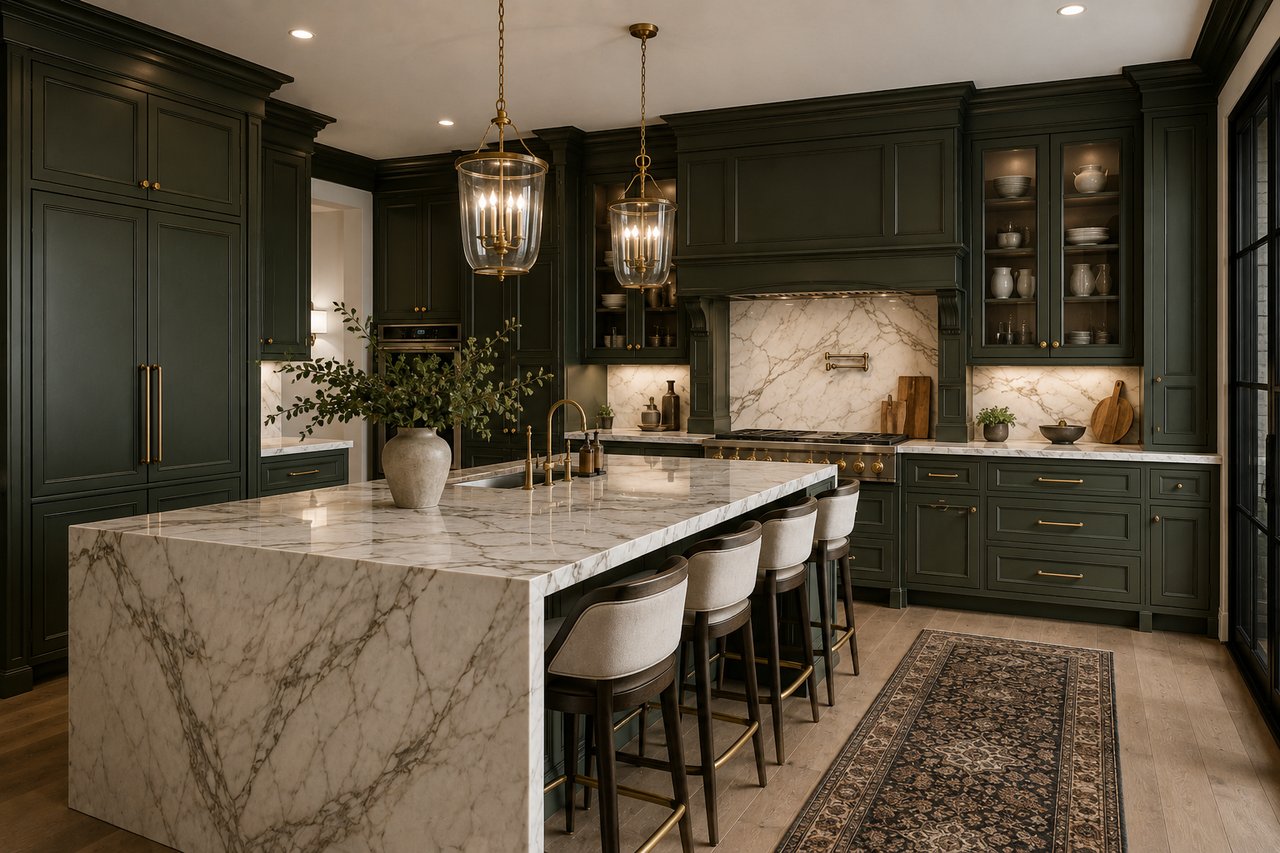
If the home already has updated furnishings, a cohesive color palette, appropriately scaled furniture, good lighting, and décor that complements the architecture, there may be very little that needs to change before listing.
In those cases, preparing the home may be more about editing than staging.
That could mean removing a few oversized pieces, clearing countertops, simplifying shelves, putting away personal items, refreshing bedding, or repositioning furniture to improve the way a room photographs.
A beautifully designed home already has an advantage. The goal is simply to make sure the existing design translates well both in person and online.
Professional staging can be especially helpful when the current furnishings are working against the home rather than helping it.
For example, staging may make sense when:
In these situations, staging can help create a more polished and intentional presentation.
Staging is not necessarily an all-or-nothing decision.
If the home only needs help in certain areas, partial staging may make more sense than furnishing every room.
The living room is often one of the most important spaces because it helps establish the overall feeling of the home.
The kitchen should feel clean, open, and uncluttered.
The primary bedroom should feel calm, spacious, and relatively neutral.
And in Southern California, outdoor areas deserve attention too. A patio, pool, balcony, or backyard can be a major selling feature, and thoughtfully arranged outdoor furniture can help buyers understand how those spaces could be used.
Sometimes focusing on a handful of high-impact areas is enough.
For many sellers, the best solution is somewhere between doing nothing and hiring a full staging company.
If the furniture itself works, small changes can dramatically improve presentation.
This might include:
The goal is not to remove every trace of personality. It is to make sure buyers are seeing the home rather than being distracted by the belongings inside it.
It depends on the home.
For a vacant property or one with outdated furnishings, professional staging can help buyers better understand the space and create a much stronger first impression.
For a home that is already beautifully designed, the smarter strategy may simply be to edit, style, and photograph it properly.
Before spending money on staging, it is worth looking at the property objectively and asking:
Does the current design help sell the home, or does it distract from it?
That question usually tells you more than a blanket rule about whether every seller should stage.
You do not necessarily need to professionally stage every home before selling.
What you do need is a home that feels intentional, well-presented, and easy for buyers to connect with.
Sometimes that means bringing in a staging company. Sometimes it means rearranging what is already there. And sometimes a beautifully designed home may need almost nothing at all.
The right approach depends on the property, the competition, the target buyer, and how well the home already presents.
At the end of the day, the goal is simple: make sure buyers are seeing the home at its absolute best.
Stay up to date on the latest real estate trends.
Sellers
How to know whether staging is worth the investment before you sell

Sellers
From pre-sale inspections to finishing touches, here’s what to consider before you list.
Buyers
Understanding the Benefits of Move-In Ready Homes and Renovation Opportunities

Buyers
Discover what makes Thousand Oaks, Westlake Village, Newbury Park, and the surrounding communities some of Southern California's most sought-after places to call home.

How planning ahead can help you navigate changing home prices, interest rates, and today's real estate market with confidence.

Selling
The key factors that influence buyer demand, pricing success, and how quickly a home sells in today's market.
Work with Aysha Banos for a refined real estate experience defined by discretion, expertise, and exceptional service. Specializing in Westlake Village, Aysha offers tailored strategies, high-level marketing, and skilled negotiation to help you achieve your goals.

AYSHA BANOS | CA DRE# 02415979
100 N Westlake Blvd Ste 100A Westlake Village, CA 91362